Spring Forward
I LOVE spring.
The hardest thing about living in Colorado is the absence of a true spring.
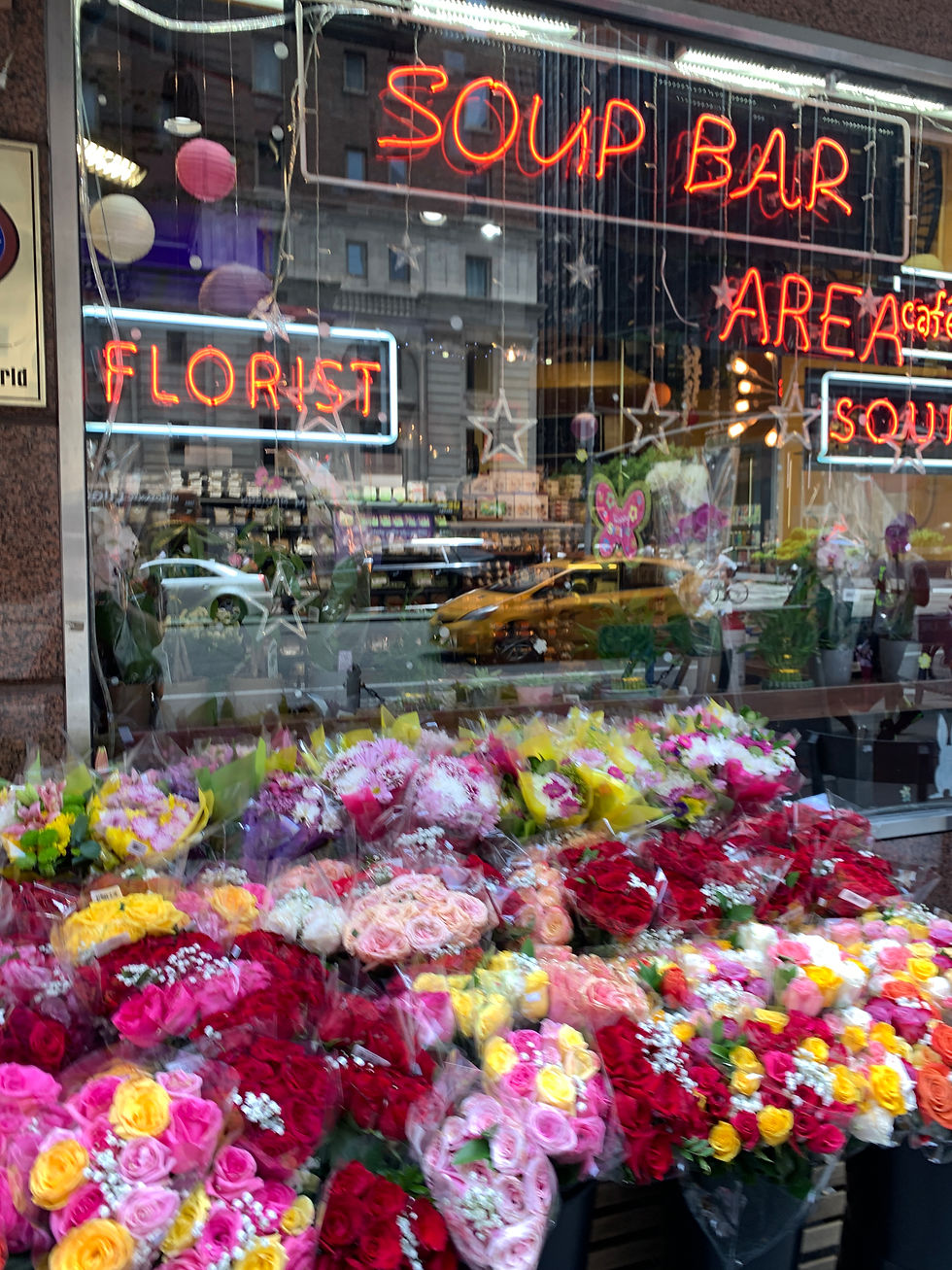
I want buds blooming on trees and daffodils and sprigs of green grass popping up. I want to see the forsythia bursting out of the ground and rain to nourish the grass.
So I go to where spring is happening and soak it all in.
This spring feels different.
It feels like everything is a bit upside down and everything is changing and everything on a global scale is complex and difficult right now.
but what if that breaking is a breaking open?
creating space for potential. possibility?
Anything Is Possible. Go Do It.
That quiet voice underneath the noise of your daily life - the one that says what if I actually did it? What if you moved to that city? Started that thing? Said yes to that wild idea that keeps coming back no matter how many times you dismiss it?
Live on a sailboat. Move to another country. Start the business. Go back to school. Get married. Change careers entirely. Pick up the thing you set down ten years ago.
We live in a world of unprecedented possibility. More tools, more access, more pathways to more lives than any generation before us has ever had. And still most of us talk ourselves out of the thing we most want to do, before we've even tried.
Don't do that.
Waterlilies
In the autumn of 1914, as World War I tore France apart, a 73-year-old Claude Monet sat in his garden and wrestled with the worst kind of guilt: the guilt of the artist who keeps making beautiful things while the world burns.
Friends begged him to leave. He refused.
"I shall stay here regardless," he wrote. "If those barbarians wish to kill me, I shall die among my canvases, in front of my life's work."
But staying didn't mean peace. The peace of his garden was sometimes shattered by the sounds of gunfire from the battlefields only 50 kilometres away.
Monet brought vegetables from his garden to wounded soldiers at the local hospital. He could hear them screaming in the night.
And he painted.
"Yesterday I resumed work," he wrote on 1 December 1914. "It's the best way to avoid thinking of these sad times. All the same, I feel ashamed to think about my little researches into form and colour while so many people are suffering and dying for us."
I feel ashamed to think about my little researches into form and colour while so many people are suffering and dying for us.
He felt ashamed. He felt small. He kept going anyway.
Monet himself speculated that these paintings of the floating world might calm "nerves strained through overwork" and offer the viewer "an asylum of peaceful meditation."
What came out of those war years? The Water Lilies.
More than 350 square meters of canvas - now considered among the greatest achievements in the history of art.

"Monet felt his late paintings were an attempt at healing. They were his artistic response to the traumatic events of the war - and arguably the greatest climax to any artist's creative career in history."
The man who felt ashamed to be painting, who felt it was ridiculous to be wasting time and money on paint and canvas in the middle of such global despair. Who felt it was frivolous and unjust that he had the privilage and resources to shield him from the pain that people around him were experiencing.
I get it.
But maybe, that's why we paint. And go to the park. And smell the flowers. And watch the sunset. And listen to the birds. And create music. And write.
To hold on to our humanity.
To savory small moments of joy to give us the strength to endure the next challenge.
To remind us what it's all about. What we are protecting.
Now Is the Time
There is no perfect moment. There is no right time when everything is calm and certain and safe. Monet painted while cannons fired within earshot. He painted half-blind. He painted through grief and guilt and self-doubt so severe that he sometimes slashed his own canvases with a razor in frustration.
And then he kept painting.
Whatever is alive in you right now - the dream, the idea, the version of your life you haven't started yet - it doesn't need the world to settle down first. It needs you to begin.
"Every day I discover even more beautiful things. It is intoxicating me, and I want to paint it all - my head is bursting." Claude Monet
Spring is not subtle. It cracks concrete. It pushes through frost. It doesn't ask permission. It simply arrives and begins.
Here are some things you can do this spring:
Plant the seed. Write the first paragraph. Register the domain. Make the call.
Tell someone. Say the dream out loud to another person.
Give yourself a deadline. Not someday. A date. A month from now. Three months.
Start badly. Start messy. Start before you're ready. Monet's early critics called his work "wallpaper in its embryonic state." If he can keep going so can you.
The world has always been uncertain. Conditions have never been perfect. The artists, the builders, the movers - they went anyway.
"More than ever, despite my poor sight, I need to paint and paint unceasingly." — Claude Monet
Now is the time to create. To invent.
Spring doesn't ask if you're ready. It just comes.
Go do your thing.


Comments